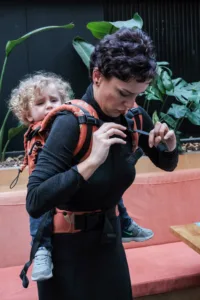
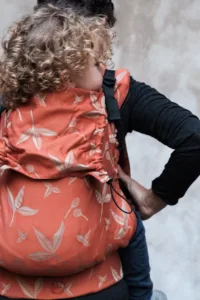
When Can You Move to a Back Carry?
Back carrying is a wonderful next step, but it’s important to wait until your baby shows the developmental signs that they’re ready. These signs help ensure their spine, neck, and airway are supported in a safe and comfortable way.
1. Sitting Unassisted
Your baby should be able to sit independently as often called the “tripod sit” and stay in that position without your help.
This tells us their core muscles are strong enough to maintain a stable position on your back, where you can’t monitor them as closely as you can in a front carry.
2. Good Neck Control
Your baby should be confidently holding their head without wobbling.
This is essential for airway safety and comfort. When they’re on your back, you can’t see their face, so strong neck control ensures they can maintain a clear, open airway.
Once your baby is sitting unassisted and has solid neck control, you can begin exploring back carrying with confidence.
Why Parents Love Back Carrying
Back carrying isn’t just a milestone but a game changer. Here are some of the benefits families tell me they notice almost immediately.
More Comfort for You
As babies grow, their weight naturally feels heavier on the front of your body. Moving them to your back redistributes that weight through your hips and core, making longer carries more comfortable.
Many parents say it feels similar to wearing a hiking backpack that is balanced, supported, and light.
More Freedom to Move
With your baby on your back, your arms and upper body are freer. Everyday tasks like cooking, tidying, or simply walking without leaning back become easier.
It’s a practical option for parents who want to stay hands‑on with life while staying close to their baby.
A Better View for Baby
From your back, your baby gets a whole new perspective. They can look around, observe the world, and feel included in your day without being overstimulated.
It’s a beautiful blend of independence and connection.
Cooler for Both of You
Especially in warmer weather (hello, Australian summers), back carrying allows more airflow between you and your baby. Less chest‑to‑chest contact means less heat buildup.
How to Start Back Carrying Safely
Once your baby is ready, the next step is learning how to back carry with confidence. Here are some gentle tips I share with families:
Choose the Right Carrier
Not all carriers are designed for safe back carrying. Neko Switch (baby and toddler sizes), Neko Half Buckles (baby and toddler sizes) are the top choices around here but I’m always happy to help you find the right fit for your family.
Practice With Support
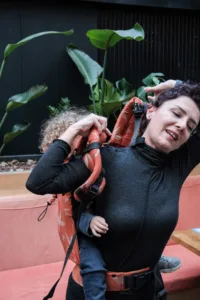
Your first few tries are best done:
- with another adult spotting you
- in front of a mirror
- or over a soft surface like a bed or couch
This helps you build muscle memory and confidence.
Aim for a High Back Carry
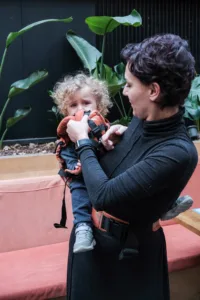
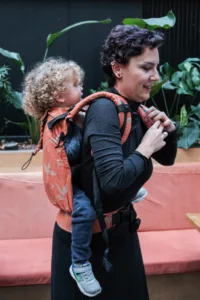
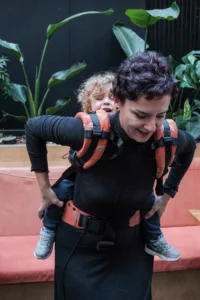
A higher position, roughly between your shoulder blades, keeps your baby’s airway safer and gives them a better view. It also feels more comfortable for most parents.
Keep the Carrier Snug
A firm, supportive fit prevents leaning, slumping, or shifting. Think “hug tight,” not “squeeze tight.”
Practice Regularly
Like anything new, back carrying becomes easier with repetition. Each practice session builds your confidence and your baby’s comfort.
You Don’t Have to Learn Alone
If you’re unsure whether your baby is ready, or you’d like hands‑on guidance, I’m here to help. At Snuggle Gully, I offer free babywearing consultations for families who purchase a carrier with us. We can work together to check readiness, adjust your carrier, and practice back carrying safely.
Back carrying is a beautiful next chapter in your babywearing journey—one that brings freedom, comfort, and connection in a whole new way.
Whenever you’re ready, I’m here to support you.